



This Is Mind, Lead FF&E Designer: The Layer Guests Touch Most
FF&E is often described as the finishing layer. Mind sees it as the layer that people interact with most, and the layer that can quietly make or break the experience if it isn’t considered early.
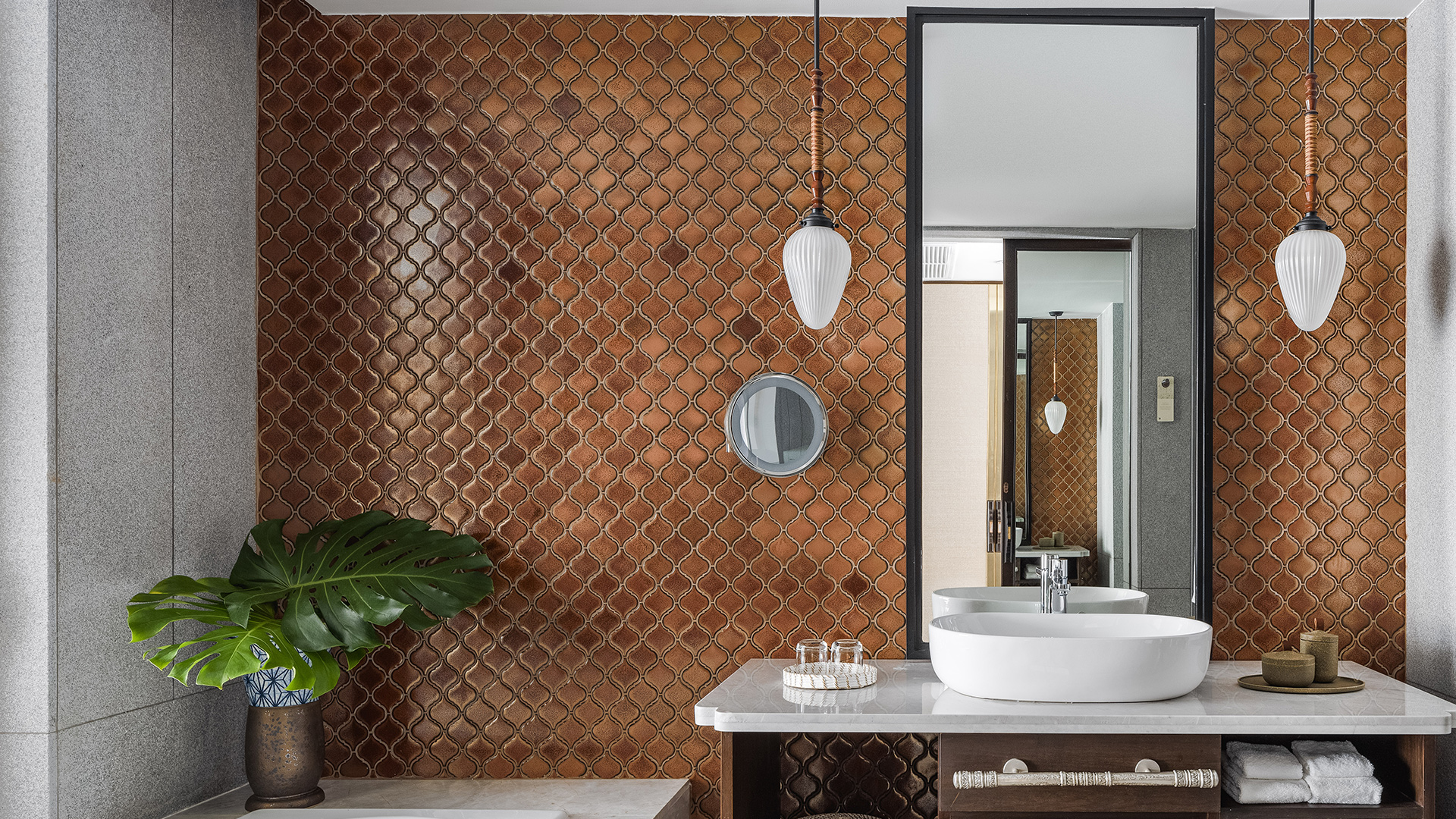
“Architecture creates the structure,” she says, “but FF&E brings in the character, the personality into the space.”
Mind rejoined BLINK Bangkok in 2024 after time away, returning with a new perspective and a role that’s grown naturally across both interior design and FF&E.
“The leadership team and my team have been very generous in allowing me to expand beyond my scope and develop beyond my role, which has made the work much more dynamic and rewarding for me.”
Why FF&E can be the most vulnerable layer
For owners and operators, the risk in FF&E isn’t the idea, it’s the moment the idea meets real-world constraints. For Mind, the work starts early: not with a spec sheet, but with atmosphere.
“I start getting involved at the concept stage, setting up the tone of the mood images and the narrative,” she says. “We’d be thinking about the guest journey and how we want the guest to feel, while also considering function.”
When FF&E is involved at concept stage, decisions are less likely to drift later because durability, function, and operational realities are already part of the design conversation. From this early insight, the vision becomes a sequence of decisions on furniture, lighting, materials, details, all guided by layout, space planning, and the realities of the brief.
The real work is making it last
In hospitality, “beautiful” isn’t enough.
When selecting the right material or product, what Mind considers is “First, probably the safety of it and the fact that it has to perform and continue to make sense over time.”
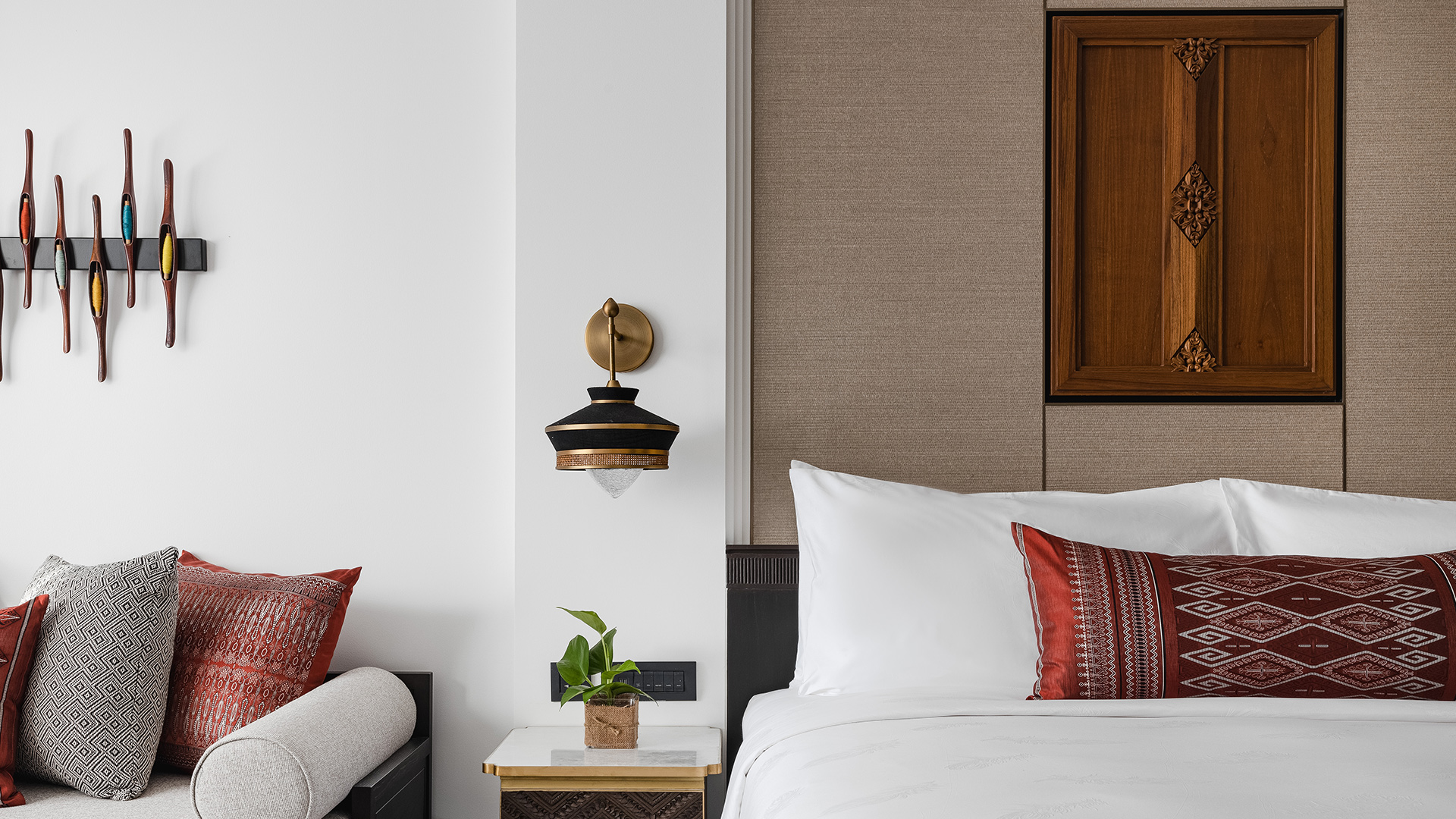
Mind selects materials that age well, finishes that can be maintained, and selections that stay true to the narrative.
Constraints ignite creativity
Owners and project teams are always balancing creating the best experience with meeting budgets and timelines. Mind doesn’t see those constraints as a threat to her creativity.
“It’s less about endless options and more about finding the best solution with the restrictions you have.”
When value engineering arrives, her approach is not to dilute everything evenly, it’s to protect what matters most:
“It’s about identifying what matters most in the design and protecting that,” she says. “The rest, you learn how to find a smarter way to achieve it.”
Why FF&E deserves more than leftover budget
FF&E sometimes gets treated as the last piece of the puzzle. But Mind makes the case for bringing it forward:
“Since it’s the layer people interact with the most, it really benefits from being considered earlier.”
And when it isn’t? She shows what’s possible.
“I’d just show what the remaining budget can realistically achieve. That often puts things into perspective quite quickly.”
The joy is in the details no one else will notice
Mind’s most satisfying moments are the ones that sound small, even invisible to most people, until you understand the stakes.
Mind describes finding the perfect fabric for an armchair as one of the most rewarding elements of her role at BLINK.
“You need fabric for this armchair in the lounge, that’s the right yellow, but not too gold, otherwise it looks dated, with a hint of sheen, and a tint of brown, but not too brown. You need the right weave, the right balance of elegance and lightness, while still meeting the concept board and the budget. “That,” she says, “is very satisfying and when I feel like I have accomplished something in life!”
This is BLINK: people, perspective and pace
When Mind talks about what she values most, she starts with the team: talented people from different backgrounds, and leaders who encourage curiosity and allow growth beyond job descriptions.
We asked Mind what inspires her, “Usually the deadline,” she smiles, “nothing can do it like a little panic! But apart from that, I’d say living in different cities and cultures shifts your perspective in ways you don’t always notice at first.
It’s not one specific thing that inspires Mind, it’s the way people live, the locals, the small differences in culture, arts, and the way people behave. “It’s the little things in life, accumulating over time, but most of the time you don’t notice it.”
And when we asked her, who is the kind of person who thrives at BLINK?
“Someone who’s curious, flexible, and not afraid of a few deadlines. Being able to adapt and have a sense of humour.”
Thanks to Mind for taking us into her world, full of creativity, constraints and collaboration.